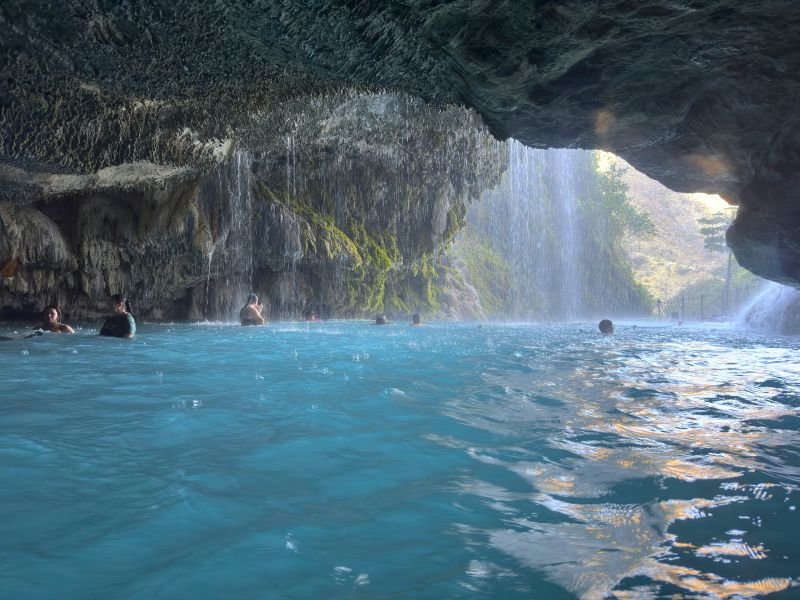
The Grotto
A large cave formation where a thermal river flows from the interior mountain walls. High humidity and warmth define the space.
Enter early to avoid steam condensation and large crowds.

Navigating the Mezquital Valley requires knowing exactly what to expect before leaving the capital. A well-planned Tolantongo caves grottos and waterfall tour from cdmx guide ensures you maximize your time at the thermal springs without getting caught in logistical bottlenecks.
Quick answer
A standard excursion to the Tolantongo complex operates around the site's daily schedule, with the gates open Monday through Sunday from 07:00 to 20:00. General admission requires a 230 MXN conservation fee per person, per day. Arriving between 07:00 and 09:00 provides the clearest path to the canyon's main attractions before the midday rush.
Deep within the rugged topography of the Hidalgo mountains, a network of geothermally heated rivers carves through steep limestone walls to create one of Central Mexico's most distinct geological formations. For travelers basing themselves in the capital, organizing a Tolantongo caves grottos and waterfall tour from cdmx requires understanding the scale of this remote canyon. The landscape is shaped by volcanic activity that heats the underground aquifers, pushing calcium-rich waters to the surface. As this heated water cascades down the mountain, it fills terraced travertine pools and naturally forms a humid microclimate inside the main cavern. Because the destination sits several hours north of the urban center, understanding the sheer physical layout of the gorge is crucial for navigating the steep descents and winding cliffside paths that connect the upper pools to the river below. Coordinating a day trip to the Tolantongo canyon involves navigating a site managed entirely by a local cooperative, Ejido San Cristóbal. This communal ownership structure means the infrastructure retains a rustic, localized framework rather than operating like a standardized corporate theme park. Visitors traverse dirt trails, utilize basic shuttle transport between the varying elevations, and navigate narrow staircases built directly into the rock face. The primary cavern acts as a natural sauna, venting steam through the rock fissures, while the adjacent tunnel offers a darker, narrower wading experience through waist-deep warm water. Exploring the suspended footbridge gives a wide vantage point over the turquoise river, which gets its distinctive milky blue hue from dissolved mineral salts churning in the current. Successfully mapping out this Mexico City excursions itinerary means anticipating the remote environment. Cellular service drops off significantly as the road descends into the Mezquital Valley, making digital reliance difficult once on the canyon floor. Cash remains the primary mechanism for on-site transactions, from locker rentals to the internal transit trucks that ferry visitors up and down the steep inclines. The physical demands of the site are notable; moving between the upper spring-fed terraces and the lower rushing river requires negotiating hundreds of uneven steps. Preparing for these logistical realities ensures that taking a Tolantongo caves grottos and waterfall tour from cdmx remains a streamlined process, allowing you to focus on the active exploration of the geothermal ecosystem rather than scrambling for connectivity or resources.
“The primary cavern acts as a natural sauna, venting steam through the rock fissures, while the adjacent tunnel offers a darker, narrower wading experience.”
The best arrival window is 07:00–09:00, as visitors who arrive early enjoy the thermal pools and attractions before peak crowds arrive. Choosing a weekday visit significantly reduces visitor density compared to weekends and public holidays.
—
The most peaceful time to experience the grottos and waterfall. Ideal for photography and slower exploration.
—
Expect significant crowding at the thermal pools and transit zones. Arrival during the early window is essential.
Warm and dry, 20°C–28°C
Spring offers reliable weather for water activities before the peak summer humidity increases.
Mild and pleasant, 18°C–25°C
Post-rainy season foliage is lush and temperatures remain comfortable for cave exploration.
Verdict: The optimal visit occurs Tuesday to Thursday, arriving within the 07:00–09:00 window, during the months of October or November.
Grutas Tolantongo operates daily to accommodate visitors planning their excursion from Mexico City. The site maintains consistent operating hours throughout the week.
Access to the Tolantongo Caves is managed through a single daily conservation fee. This payment grants visitors access to all the primary attractions within the park grounds for the duration of one day.
Verdict: Each adult pays a flat conservation fee of 230 MXN, with no additional costs for accessing the caves, grottos, or waterfalls.
Grutas Tolantongo is located in the Mezquital Valley in the state of Hidalgo, approximately 200 kilometers north of Mexico City. Most visitors reach the site by private vehicle or by combining long-distance bus travel with local transit.
Follow Mexico-Pachuca Highway (MEX 85D) toward Pachuca, then take the Libramiento de Cardonal to reach San Cristóbal.
Take a bus from North Bus Terminal (Terminal Central del Norte) to Ixmiquilpan, then transfer to a local bus or taxi at the San Antonio Terminal.
Hire a local taxi in Ixmiquilpan for the final leg to the destination.
The final stretch of road involves winding mountain paths that require cautious driving. Upon arrival at the address, San Cristóbal S/N, Ejido San Cristóbal, 42375 Cardonal, Hidalgo, follow the signs for designated parking areas to access the main entrance.
The Tolantongo Caves complex features distinct geological zones shaped by thermal activity. Visitors typically navigate between the river, cave systems, and terraced pools throughout their visit.
A large cave formation where a thermal river flows from the interior mountain walls. High humidity and warmth define the space.
Enter early to avoid steam condensation and large crowds.
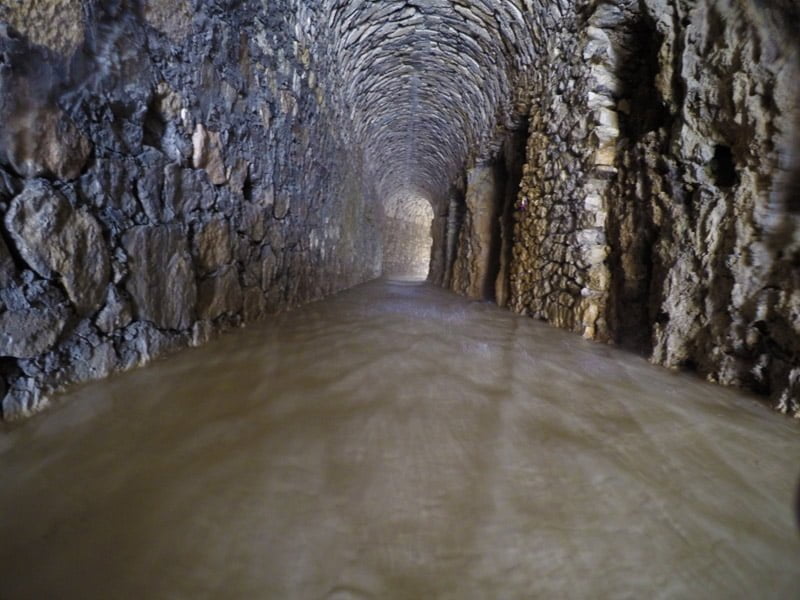
A narrow, man-made passage adjacent to the grotto featuring warm water sprays and thermal steam. This area functions as a natural sauna.
Hold the handrail as the floor surfaces remain slippery.
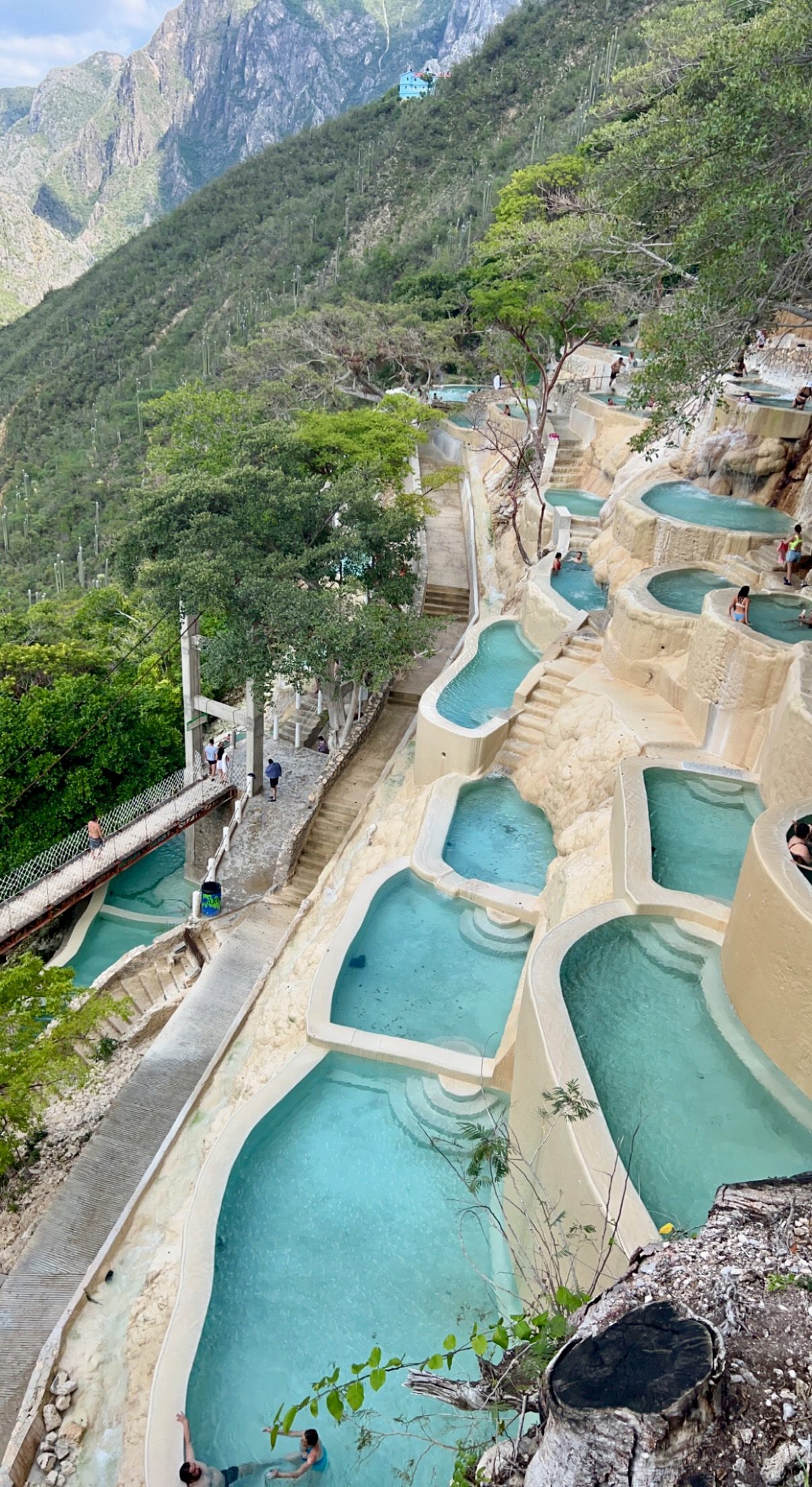
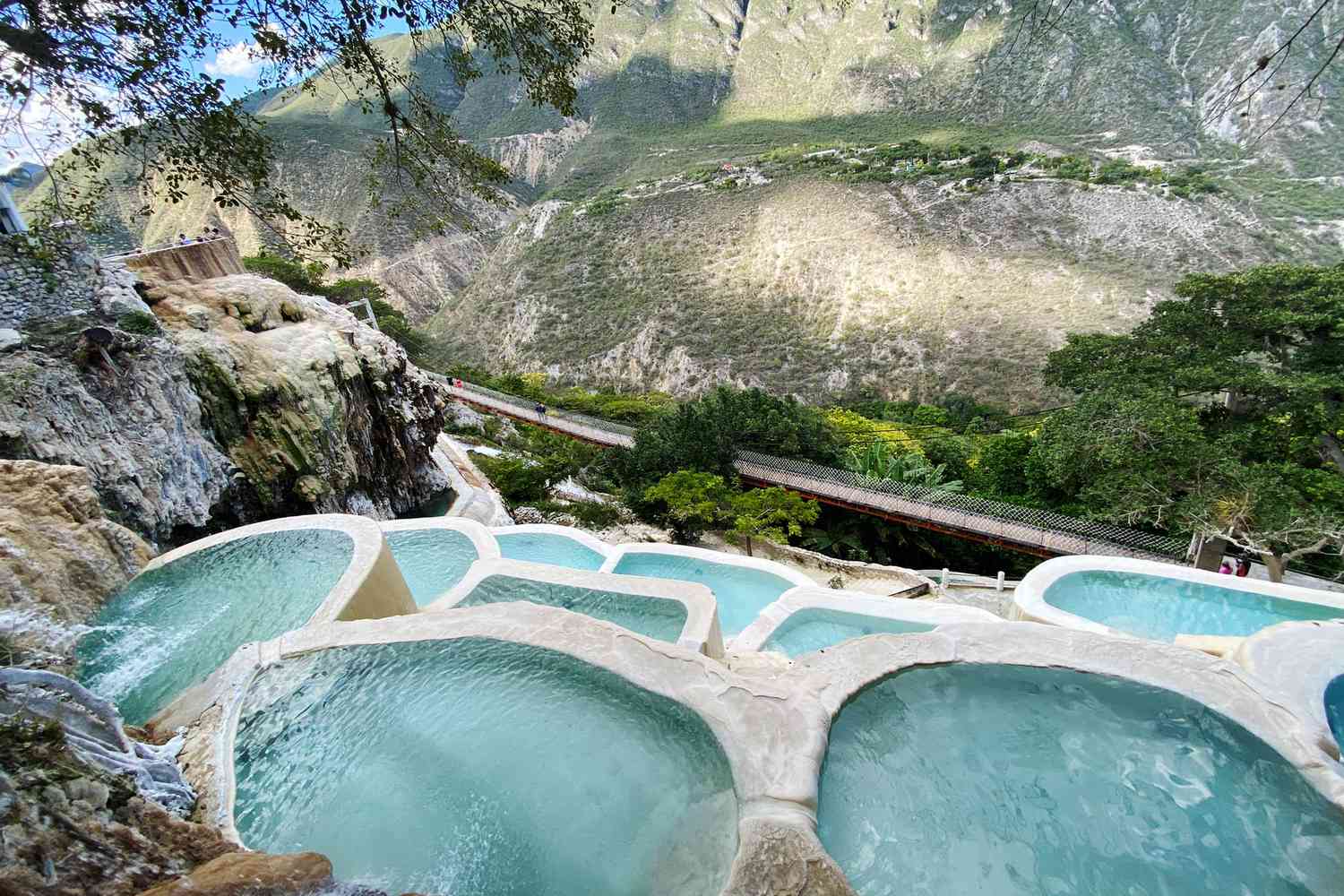
A series of stacked, man-made pools built into the mountainside providing views of the canyon. These pools are fed by thermal springs.
Visit these pools during the afternoon to watch the sunset.
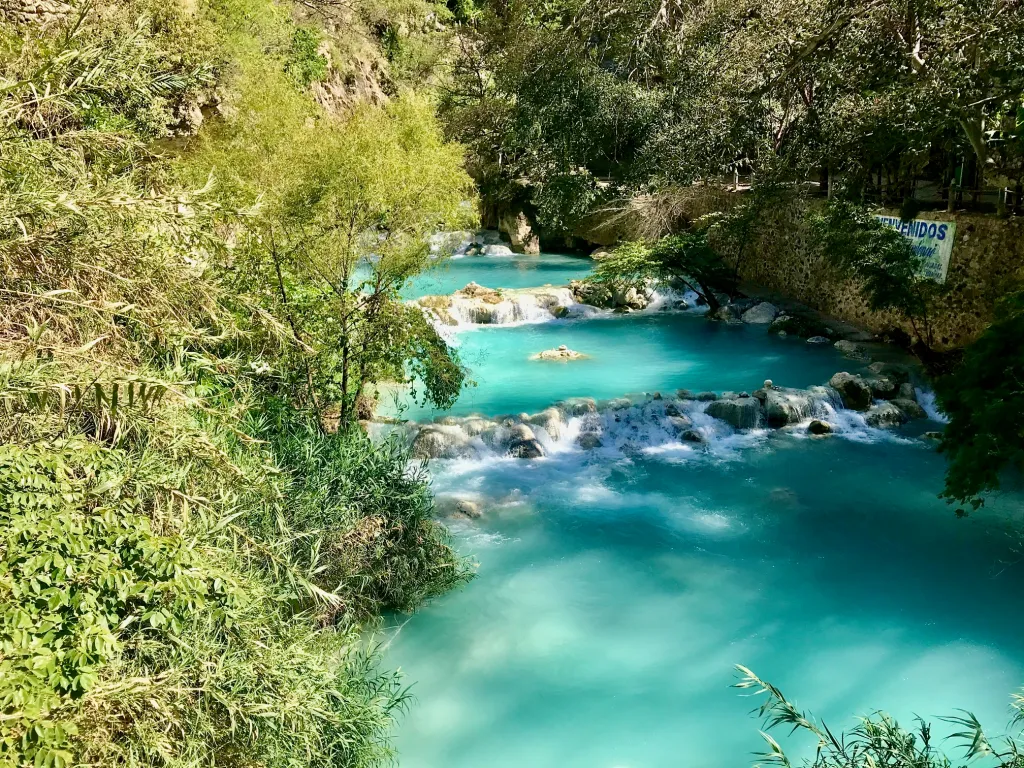
The turquoise thermal river that runs through the base of the canyon. It serves as the central artery for the site's water attractions.
Walk upstream from the main bridge to find quieter spots.
Review this checklist of required gear and practical preparations to ensure you are fully equipped for a day exploring the thermal pools and grottos.
Everything you need to know about tolantongo caves grottos and waterfall tour from cdmx
When preparing for a visit, verify whether your excursion includes transportation and local guides to navigate the Hidalgo mountain terrain. Most travelers find that private transport or organized groups provide the most reliable access to the remote canyon. Always confirm your pickup point in Mexico City early.
A typical trip from Mexico City to the resort involves a travel time of approximately 3.5 to 4.5 hours each way. Road conditions through the state of Hidalgo can vary, so allow extra time for potential traffic near the metropolitan area.
The standard entrance fee for the park is 230 MXN per person, per day, which acts as a conservation fee. Check if your chosen provider includes this permit cost in their base price, as many guests pay this separately upon arrival.
To maximize your experience, aim for the best arrival window between 07:00 and 09:00. Arriving early allows you to enjoy the thermal pools and natural attractions before peak crowds arrive from surrounding cities.
The thermal pools and the entire resort are open daily from 07:00 to 20:00. These operating hours apply every day of the week, including weekends and public holidays.
Yes, you should carry sufficient Mexican Pesos for additional expenses such as food, locker rentals, or transportation within the park. Many onsite facilities may not reliably accept electronic payment methods due to the remote nature of the canyon.
The resort remains open throughout the year, offering access to its famous turquoise thermal water and subterranean rock formations. Whether you visit in summer or winter, the microclimate within the canyon provides a consistent environment for swimming and exploration.